
Local 2026 Price Check: Pine Tree Removal Cost
The CompareTreeServices position: the ranges below are compiled from the published industry surveys cited, cross-checked against the sourced per-metro price rows in our own tracked dataset. Where our metro data disagrees with a national survey, we trust the metro data and say so. The published surveys cited below are our cross-check, not the source of that position (how the dataset is built: methodology).
The CompareTreeServices Take
Most overpaying happens before the first phone call, not at the invoice. Walk in with the baseline from this guide, make crews beat it in writing, and the market works for you instead of on you.
| Pine size | Height | Typical cost | What drives it |
|---|---|---|---|
| Small pine | Under 30 ft | $150 to $400 | Open access, no rigging needed |
| Medium pine | 30 to 60 ft | $350 to $950 | Height, sap on gear, needle and cone cleanup |
| Large pine | 60 to 90 ft | $700 to $1,500 | Rigging time, possible crane |
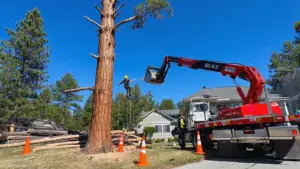
| Very tall pine (white pine and similar) | 90 ft or more | $1,200 to $2,000 or more | Crane required, storm-weakened wood adds risk |
| Pine, any size | Varies | Averaging around $925 | Height and structure drive it more than density |
Sources for this table: S3, S1, S2, S5, S6 in the Sources list below.
Table of Contents
Height Is the Real Cost Driver for Pines
Pines set themselves apart from hardwoods by how tall they get. Clemson’s Home & Garden Information Center notes mature pine size ranges “from 4 feet (dwarf forms of mugo pine) to over 150 feet (white pine),” with fast-growing southern species like loblolly and slash pine adding more than 2 feet of height a year [S7]. This Old House prices pine removal at $250 to $1,500, a wide band that mostly reflects how much taller a mature pine can get compared to a similarly aged oak or maple [S1]. LawnStarter’s species pricing puts a typical pine removal around $925, in the same range as oak despite pine wood being lighter, because the extra height evens things out [S2].
Trunk diameter still matters, but for pine it’s rarely the limiting factor the way it is for a wide-canopied hardwood. A pine’s narrow, conical shape means most of the cost comes from working at height, not from cutting through unusually thick wood.
Sap and Cleanup Add Time to the Job
Pine sap gums up chainsaw chains and slows cutting, part of why LawnStarter’s trimming data shows pine running “less because of hardness and more because of height and sticky cleanup” than denser hardwoods [S2]. Removal jobs carry the same friction: more time clearing sap-clogged chains, plus cleanup for dropped needles and cones a leaf-only hardwood doesn’t leave behind. None of this shows up as its own line item, but it’s baked into the labor time a crew budgets for a pine job.
Why Pines Are a Storm-Damage Risk Category of Their Own
Pine wood has a structural weak point hardwoods generally don’t share. The University of Florida’s IFAS Extension ranks pines in the medium-low to lowest wind-resistance categories among common landscape and forest species, and documents a delayed failure pattern: 27 percent of standing slash pines and 48 percent of standing longleaf pines died within three months after Hurricane Charley, despite showing no visible damage right after the storm [S6]. Prolonged wind can rupture a pine’s smaller support roots without snapping the larger ones, cutting off water and nutrient flow gradually rather than all at once [S6].
Clemson’s extension service adds a related risk: fusiform rust, a fungal disease common in southern pines, “causes weak places in the trunk, making the tree more likely to break in windstorms” [S7]. A pine that looks fine after a storm can still be a hazard removal candidate a few months later, which is why a post-storm inspection matters even for pines with no obvious damage. If a pine actually comes down or cracks during an active storm, that’s a different pricing category; see our emergency tree removal cost guide for what urgent response costs.
Access and Site Conditions
A pine in an open yard with a clear fall path is the cheapest version of the job. HomeGuide notes that a hard-to-access tree, one wedged near a fence, shed, or power line, can add up to 50 percent to the bill, since crews have to rig and lower sections instead of a straight drop-cut [S3]. Once a pine tops 80 or 90 feet or has no safe drop zone, crews bring in a crane; HomeAdvisor prices crane rental at $500 to $600 a day, which can push a tall, tight-access pine removal to several thousand dollars total [S5]. Near buried utility lines, call 811 before any digging, including stump work.
Where You Live Changes the Number
Regional labor rates and storm exposure shift pine removal pricing the same way they shift any tree job. Angi puts the broader regional range for tree removal at $450 to $1,100 [S4]. Storm-prone regions, especially pine-heavy hurricane and ice-storm belts, tend to see higher demand and pricing right after major weather events, since every local crew is booked at once.
Want a number specific to your pine instead of a range? Our tree removal cost calculator uses height, species, and location to build a working estimate.
What Add-On Services Cost
| Add-on | Typical price |
|---|---|
| Stump grinding | $2 to $5 per inch of stump diameter |
| Hauling the wood away | $50 to $90 |
| Running needles and brush through a chipper | $65 to $125 |
| Crane rental (tall or tight-access pines) | $500 to $600 per day |
| Tree removal permit | Set by your city; often waived for hazard trees |
| Emergency or after-hours premium | Priced separately, see our <a href=”/emergency-tree-removal-cost/”>emergency tree removal cost</a> guide |
Sources for this table: S2, S8, S5, S1 in the Sources list below.
How to Save Money on Pine Tree Removal
A few ways to keep pine removal cost down:
- Book outside storm season in pine-heavy regions; availability is better and there’s less schedule pressure on pricing.
- If you have a use for the wood, ask about keeping it and skipping the $50 to $90 hauling fee [S2].
- Bundle stump grinding into the same visit instead of scheduling it separately.
- Get three quotes, since pine pricing varies with how a crew accounts for height and rigging time, not just tree size on paper.
DIY vs. Hiring a Pro
A small, young pine under about 15 feet, clear of structures and power lines, with an open fall path, is reasonable DIY work with a chainsaw and basic safety gear. A mature pine is not. Height alone makes a tall pine a different risk profile than a shorter hardwood of similar trunk width, and the delayed-failure pattern documented after hurricanes means a pine that looks sound can still be structurally compromised [S6]. Any pine near a structure, fence line, or power line needs rigging or a crane, not a homeowner with a ladder.
Getting Quotes from Tracked Pros
Given the delayed storm-damage risk pines carry, ask directly whether a “healthy-looking” pine near your home has been checked after any recent severe weather, not just for a price. Every bidder should hand over a certificate of insurance covering general liability and workers’ comp, with the lead climber holding an ISA Certified Arborist credential.
Every pro in our directory has already been through our listing checks process, so you’re choosing between qualified crews, not screening out the ones who shouldn’t be rigging a tall pine over your roof.
Key Takeaways
- Pine tree removal typically costs $250 to $1,500, averaging around $925, driven mostly by height [S1][S2].
- Sap slows cutting and adds cleanup time compared to a similarly sized hardwood, even though pine wood is lighter [S2].
- Pines rank low for wind resistance and can die months after a storm with no visible damage right away [S6].
- Fusiform rust creates weak points in pine trunks that raise the risk of breakage in high wind [S7].
- Always confirm a certificate of insurance and an ISA Certified Arborist credential before you sign anything.
Frequently Asked Questions About Pine Tree Removal Costs
How much does it cost to remove a pine tree?
Pine tree removal typically costs $250 to $1,500, with a typical job averaging around $925 once height is factored in [S1][S2]. A small pine under 30 feet often comes in under $400; a very tall pine over 90 feet can run $1,200 to $2,000 or more with a crane involved [S1][S5].
Why does a tall pine cost more to remove than a shorter hardwood?
Pines commonly outgrow hardwoods of the same age, and height, not trunk density, is the main driver of removal cost [S7]. A 90-foot pine requires more rigging time, more climbing or crane work, and a longer job overall than a shorter, similarly wide tree.
Is a pine tree more likely to fall in a storm than other trees?
Pines rank in the medium-low to lowest wind-resistance categories among common species, and research after Hurricane Charley found nearly half of standing longleaf pines died within three months, despite no visible damage right after the storm [S6]. A post-storm inspection is worth scheduling even if a pine looks fine.
Does sap make pine removal more expensive?
Not usually as its own line item, but it adds time. Sap gums up chainsaw chains and slows cutting compared to a similarly sized hardwood, which is part of why pine pricing reflects height and cleanup more than trunk density [S2].
Do I need a permit to remove a pine tree?
It depends on your city and the tree’s size. Many municipalities require a permit past a certain trunk diameter, and some waive fees for hazard trees [S1]. Check with your local planning department before scheduling.
Can I remove a small pine tree myself?
A small, young pine under about 15 feet, clear of structures and power lines, with an open fall path, is reasonable DIY work for someone comfortable with a chainsaw. Anything taller, leaning toward a structure, or near power lines should go to a licensed crew.
What a Qualified Crew Brings
A fair quote for a tall pine references both DBH, diameter at breast height, and the tree’s actual height, since per-inch pricing on the eventual stump is standard practice. Beyond the number, the lead climber should hold an ISA Certified Arborist credential, with the company training to TCIA standards and working under ANSI Z133 safety rules and OSHA’s guidance for climbing, chippers, and bucket trucks. The crew should carry a certificate of insurance, general liability and workers’ comp both current, and crane-assisted removal or rigging versus drop-cutting should be part of the plan once a pine tops 80 or 90 feet or leans toward a structure. If your city has a heritage or protected tree ordinance covering large pines, confirm it before scheduling, and expect a minimum call-out fee even for a small, quick job.
How We Price This Guide
We build every cost guide from published pricing data, not guesses. This page draws on 8 sources, including This Old House, LawnStarter, HomeGuide, Angi, HomeAdvisor, UF/IFAS Extension, and Clemson’s Home & Garden Information Center, cross-checked wherever they overlap. Where sources disagreed by more than a small margin, we showed the full range instead of picking one number. Last and reviewed by the CompareTreeServices editorial team. Pricing shifts with fuel costs, insurance rates, and labor markets, so treat every number here as a planning range, not a quote. See our full pricing methodology for how we track sources.
What actually sets pine tree removal cost? Height, more than anything else, with sap and storm-related risk shaping the labor time behind any quote. A small, open-yard pine should land under $400 [S1][S3]; a tall pine near a structure, or one still standing after a recent storm, costs considerably more and deserves a closer look regardless of how sound it appears. Get quotes from two or three tracked pros, and ask about a post-storm inspection if one applies.
Sources
- [S1] How Much Does Tree Removal Cost? (2026 Pricing), This Old House
- [S2] Pricing Guide: How Much Does Tree Removal Cost?, LawnStarter
- [S3] How Much Does Tree Removal Cost? (2026), HomeGuide
- [S4] Tree Removal Cost (2026 Data), Angi
- [S5] How Much Does It Cost to Remove a Tree?, HomeAdvisor
- [S6] Wind and Trees: Lessons Learned from Hurricanes (FOR118/FR173), University of Florida IFAS Extension
- [S7] Pine, Home & Garden Information Center, Clemson Cooperative Extension
- [S8] How Much Does Stump Grinding Cost? (2026), LawnStarter
About this guide
Researched and maintained by the CompareTreeServices editorial team, alongside the public Google Business data behind our tracked directory. How the numbers are built: methodology · listing standards.